


大多喜町
Otaki Town
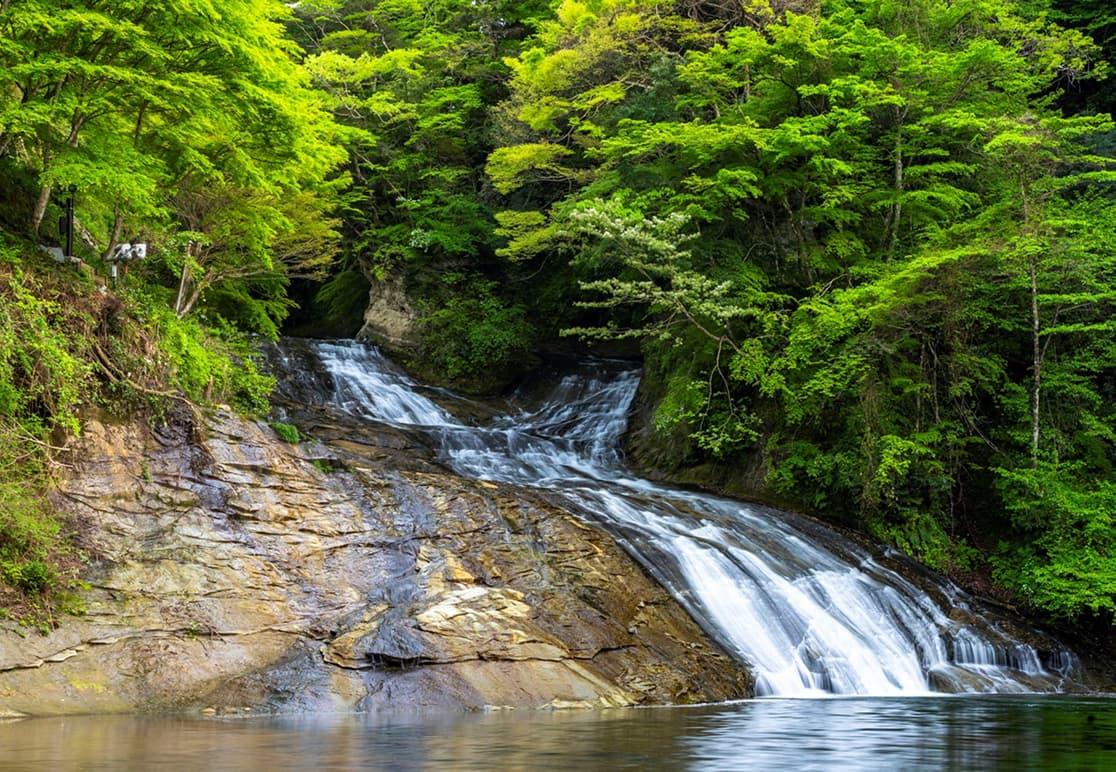
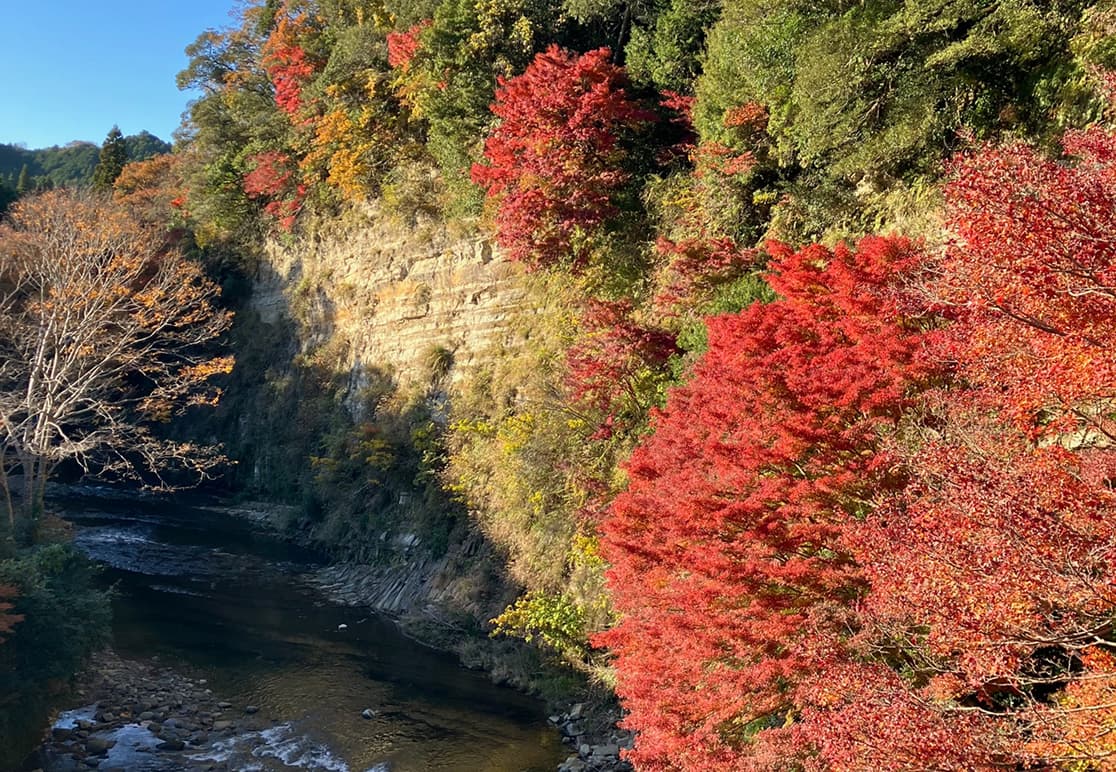
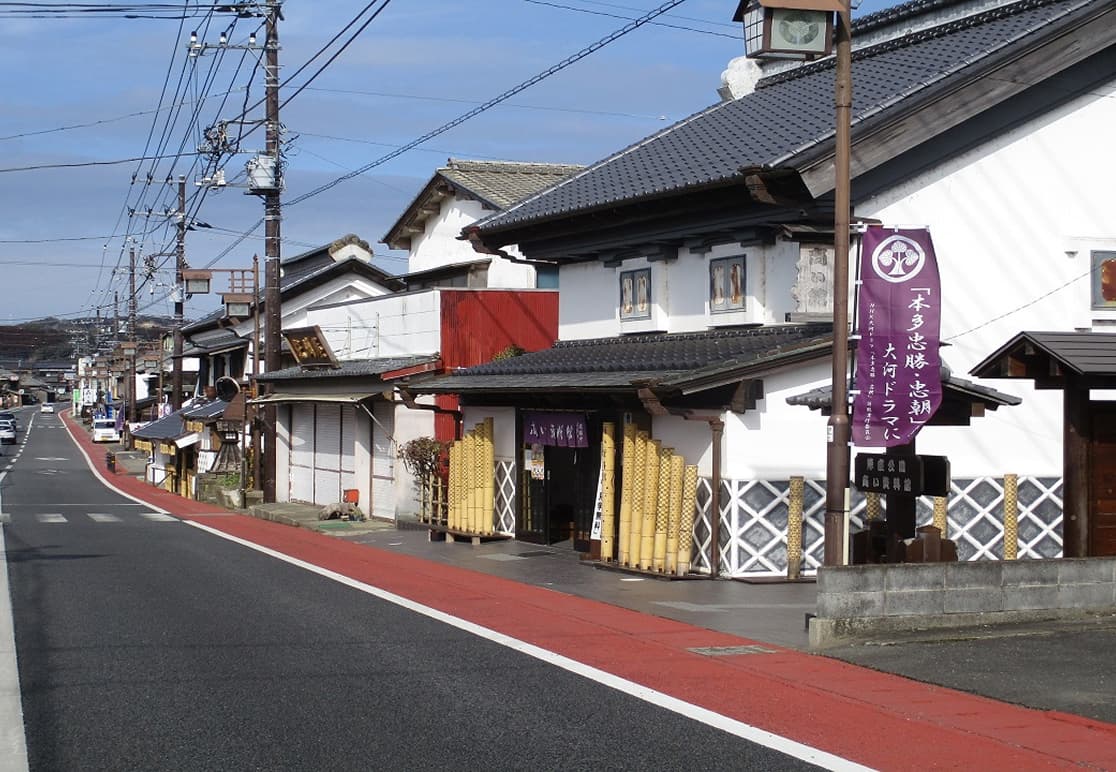
Located near the center of Chiba Prefecture’s Boso Peninsula, Otaki Town is a place brimming with historical charm, surrounded by forests and clear streams, yet conveniently accessible from central Tokyo in just over an hour. Known as a castle town once ruled by Honda Tadakatsu—one of the “Four Heavenly Kings” of the Tokugawa shogunate—it retains its historic streetscape. The Yoro Valley is the prefecture’s premier scenic spot, where visitors can enjoy the changing landscapes of the four seasons. In addition to locally harvested bamboo shoots and shiitake mushrooms, the town is utilizing idle farmland to develop new specialty products such as roselle, edible roses, and prickly pear cacti. Blessed with tourist attractions such as hot springs and hiking trails, the town attracts many visitors. Within its satoyama environment, a way of life and culture rooted in agriculture and forestry have been passed down through the generations, and the town is also focusing its efforts on building a sustainable community that coexists with nature.
Castle Town Street
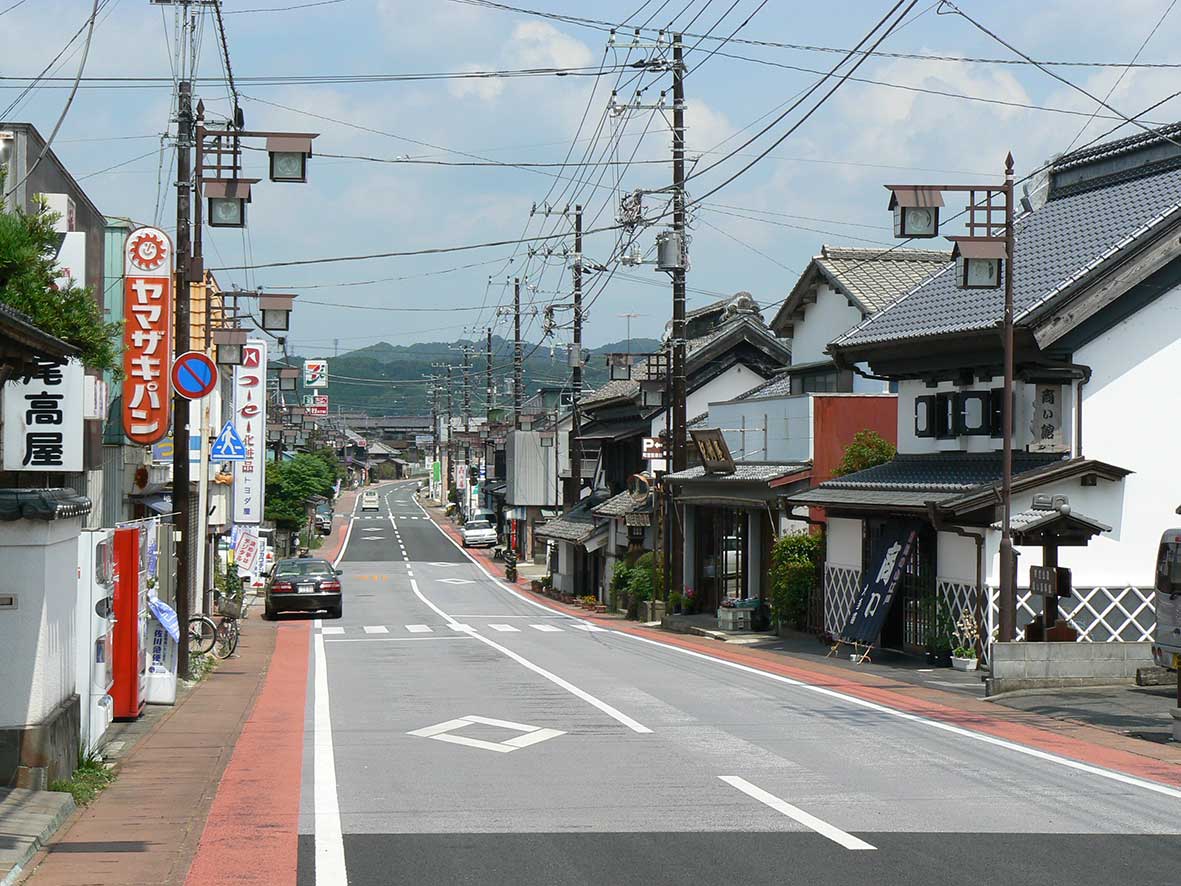
This area developed as the castle town of Otaki Castle, and is dotted with buildings—such as merchant houses, storehouses, and inns—that retain the atmosphere of that era, preserving the charming townscape that has earned it the nickname “Little Edo of Boso.”The streets are lined with narrow alleys and historic buildings, allowing visitors to experience the culture and daily life of the castle town as they walk. This area symbolizes the town, conveying Otaki Town’s history and memories to the present day.In this area, artworks are displayed across several distinct locations, including the Merchant House Preservation Museum, the former Harika, the former Commerce Museum, a former restaurant, and a reservoir.


Otaki Town Hall (Central Building)
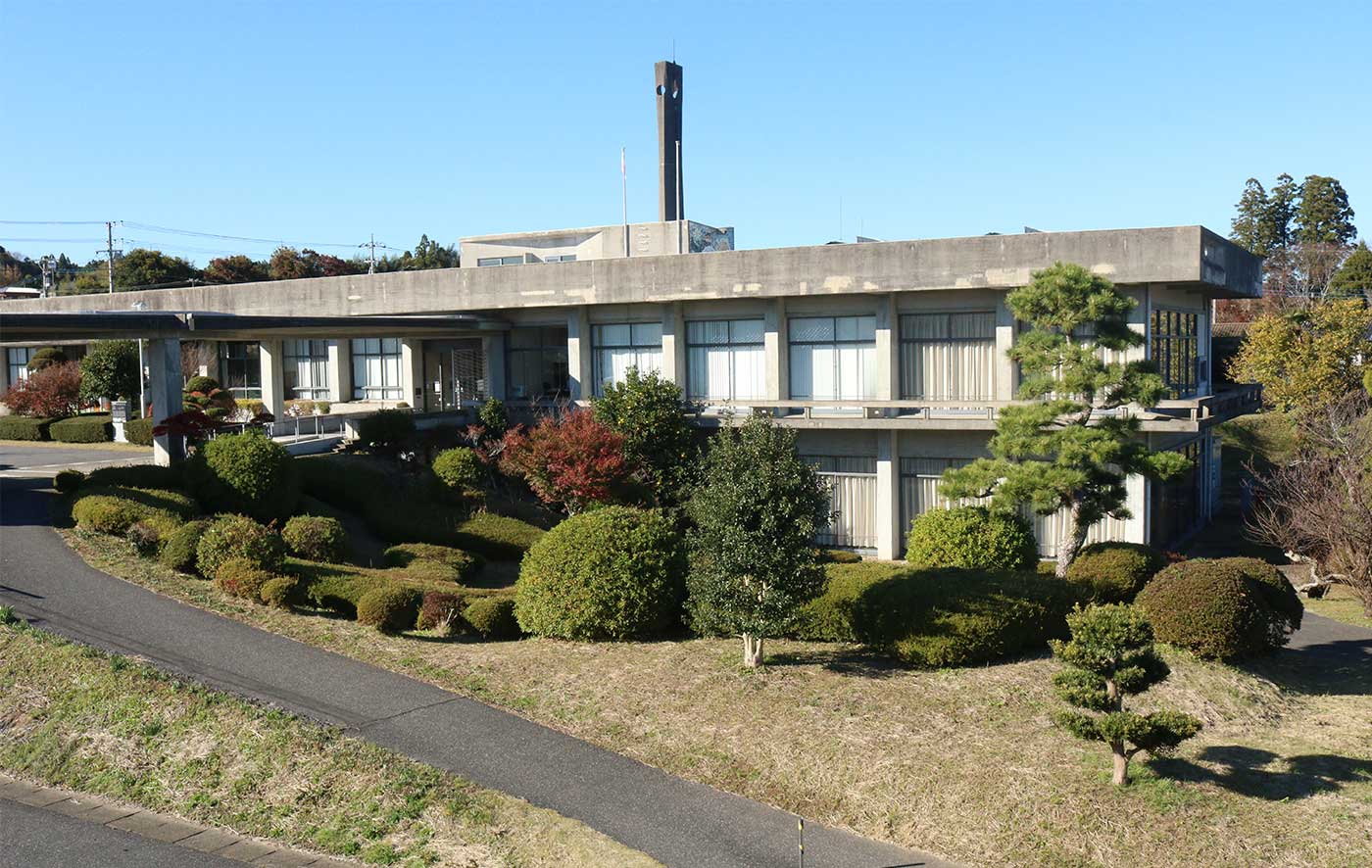
This architectural complex symbolizes the continuity of modern and contemporary Japanese architecture, featuring the Central Building—designed in 1959 by Kenji Imai, a leading postwar Japanese architect—and the Main Building, designed by contemporary architect Manabu Chiba, who oversaw the preservation, restoration, and expansion of the Central Building.The Central Administration Building received the Architectural Institute of Japan Award and is registered as a National Tangible Cultural Property.It features a pioneering modernist design combined with rich ornamentation. Kenji Imai is also known for introducing Antoni Gaudí to Japan; influenced by Gaudí, he adorned the ceiling of the rooftop penthouse, the east and west walls, and the skylights on the first floor with mosaic artwork.
