


房総国際芸術祭
Boso Triennale
Concept
Traveling Boso - International Art Factory-
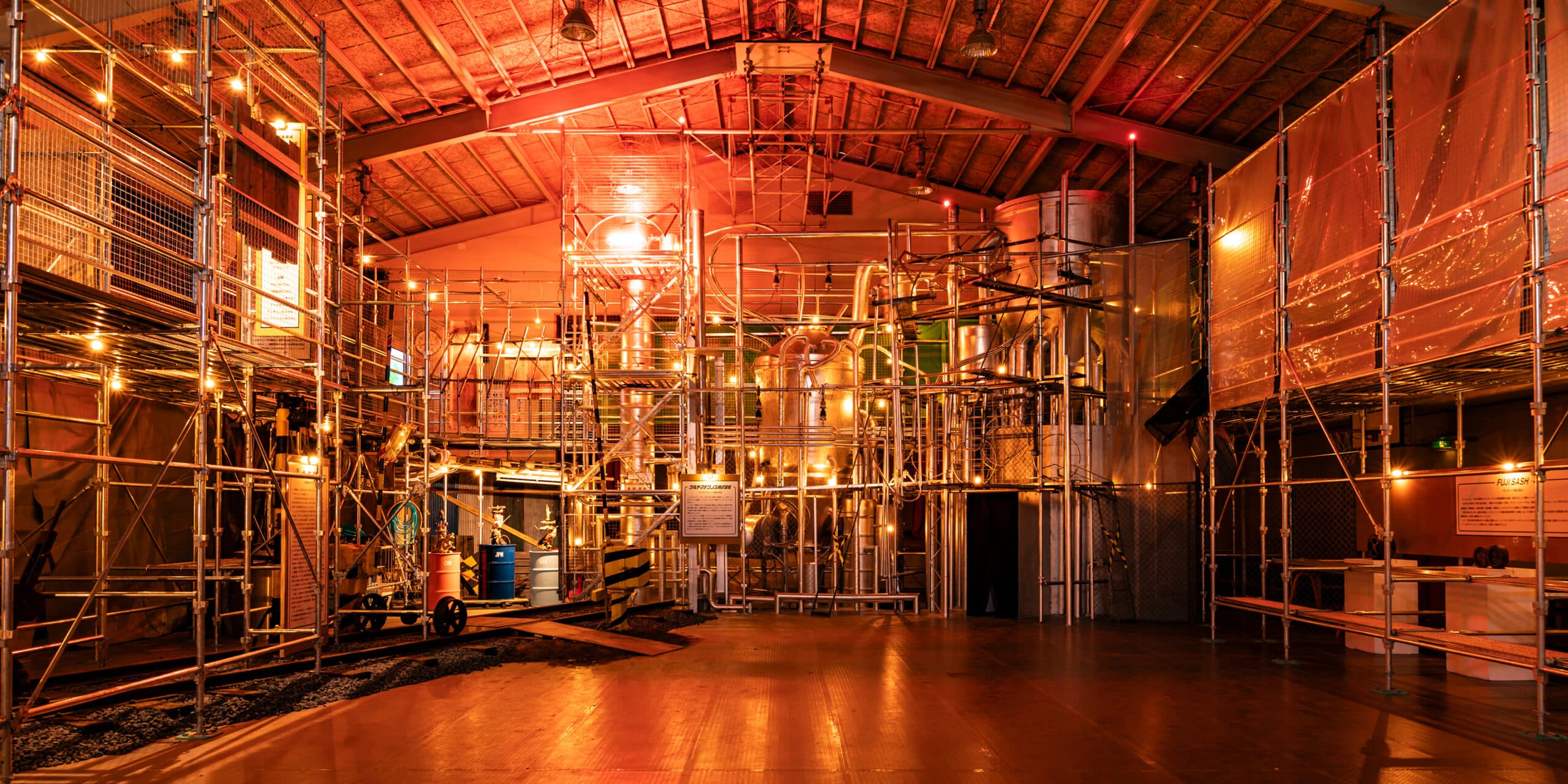
Encompassing the entire Boso Peninsula, Chiba Prefecture has long been a historic stronghold of the Kanto region. It was here that the Kamakura shogunate expanded its power, and in later centuries castle towns were established throughout the area. The region is also home to a flourishing kofun (ancient burial mound) culture that can be traced back to the provincial temple system of Kokubunji, and some 25 million years ago, it formed part of the tectonic landmass that pulled the Japanese archipelago away from the Eurasian continent.
Since the modern era, alongside its satoyama landscapes that nurture rich biodiversity and its historic scenery, the area has developed into one of Japan’s leading industrial zones and an important residential district within the greater Tokyo metropolitan region. Today, it possesses a distinct presence as a microcosm of the Japanese archipelago.
This art festival will present artworks as well as music and live performances across two cities and one town. Visitors will journey through the region by railway lines that run the length of the peninsula, as well as by car, bicycle, and on foot. In this frontier land facing the Pacific Ocean, artists from around the world will gather, marking the beginning of a new chapter as an international hub for a globally open art festival.
Under the concept of “International Art Factory,” the festival will focus on making and craftsmanship, hosting artist residencies, symposia, and workshops. In addition, Kobayashi Takeshi—founder of KURKKU FIELDS in Kisarazu—will curate music and live performances that draw upon the distinctive character of the region. Collaborating with food-related facilities in each area, the festival will also develop locally sourced menus and new culinary experiences, creating opportunities for exchange between visitors and local communities.
In the Boso region, which has long fostered diverse cultures, Chiba Prefecture, Ichihara City, Kisarazu City, and Otaki Town will launch the Boso Triennale 2027 as part of a regional development initiative centered on art and culture. The Festival aims to nurture local industries, art, and music by learning from international perspectives while cultivating them through the strengths of the region itself.
Highlights & Venues
Overview
Title:Boso Triennale 2027
Dates:2027.3. 6 (Sat) – 5.30 (Sun) / Closed Tuesdays and Wednesdays / 64 days
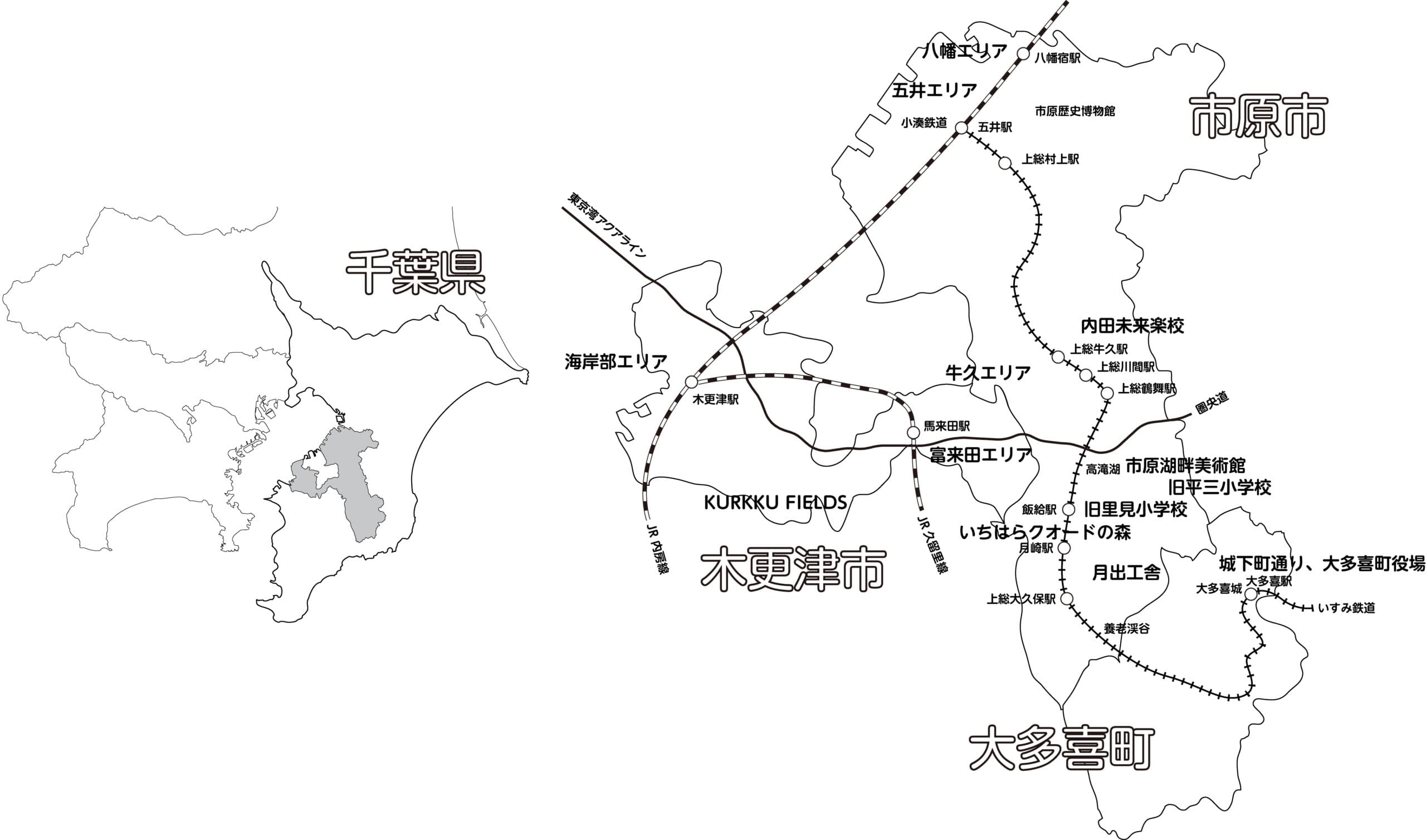
Venues:Ichihara City, Kisarazu City, Otaki Town
Organizer:Boso Toriennalel Executive Committee (Chiba Prefecture, Ichihara City, Kisarazu City, Otaki Town)
General Producer:Kobayashi Takeshi (Musician)
General Director:Kitagawa Fram (Art Director)
Art Director:Toyofuku Ryo (Artist)
Design Director:Nagashima Rikako (Graphic Designer)
About the Logo
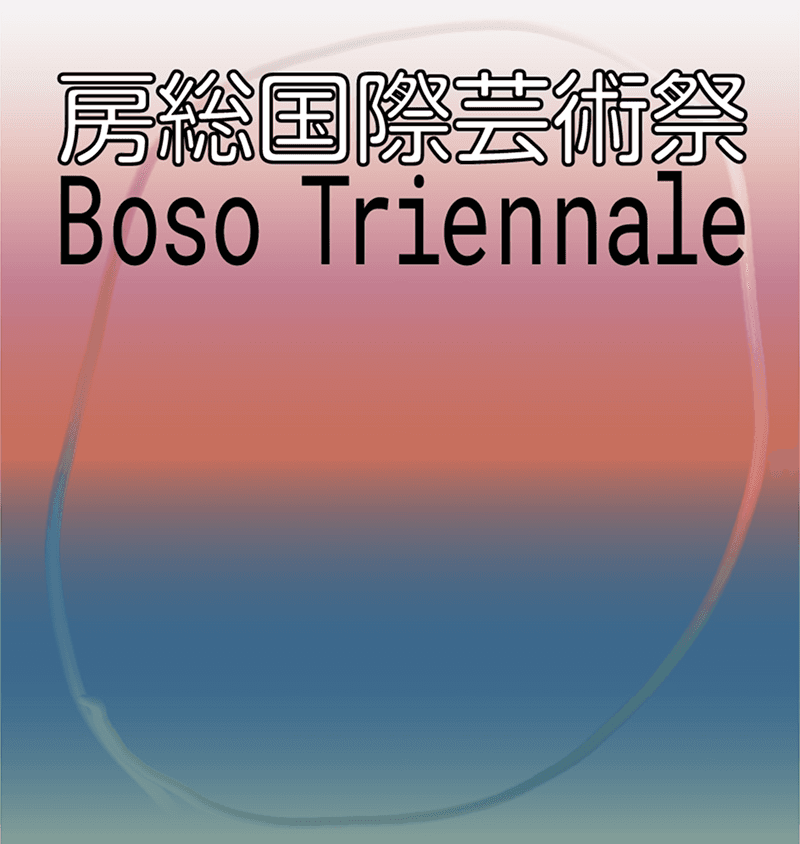
The landscape in which the two polar colors—blue and red—gently bleed into one another serves as a metaphor for the mixing of opposing elements such as “inside” and “outside,” “artificial” and “natural,” and “efficiency” and “inefficiency.” Through this fusion, the logo evokes the creation of awai* —the liminal space or interval that emerges between contrasting forces— within society.
Facing the Pacific Ocean, the Boso Peninsula aspires to become an international art festival that functions as a gateway for exchange. Inspired by this vision, the main visual features a composed and orderly gradient reminiscent of the blurred boundary between sea and sky as seen from the peninsula’s shoreline. In contrast, the circle—rendered as if colors were being mixed by an unsteady hand—symbolizes the awai* born of human actions such as making, dialogue, and encounter.
The logo combines two contrasting typographic systems. For the Japanese text, a rounded Gothic typeface is used—one commonly found in Japan’s physical public spaces, such as road signage. For the English text, an angular Gothic coding font is employed, typically used in system construction and functioning behind the scenes of virtual public space. By pairing these two opposing forms—round and angular, front and back, physical and virtual—in a bilingual configuration, the logo embodies both contrast and awai* within a single mark.
Graphic Designer / Nagashima Rikako
*Awai: the space or interval between opposing entities; the relationship that arises between two elements.
