


市原市
Ichihara City
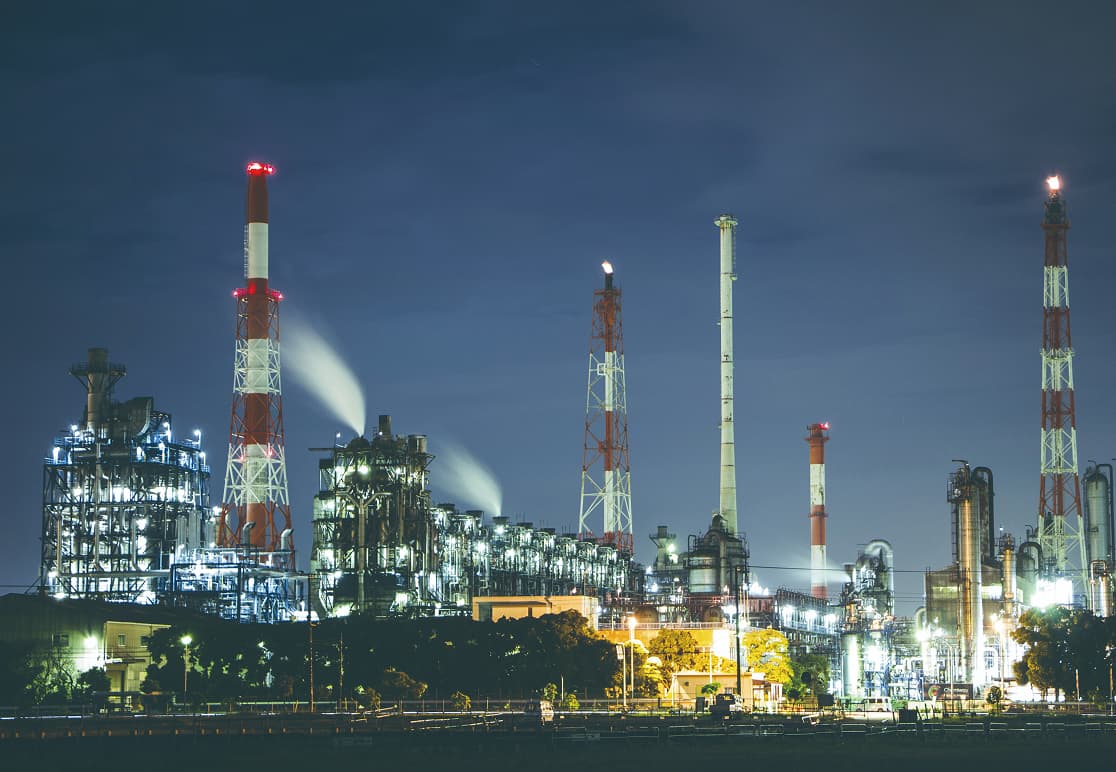
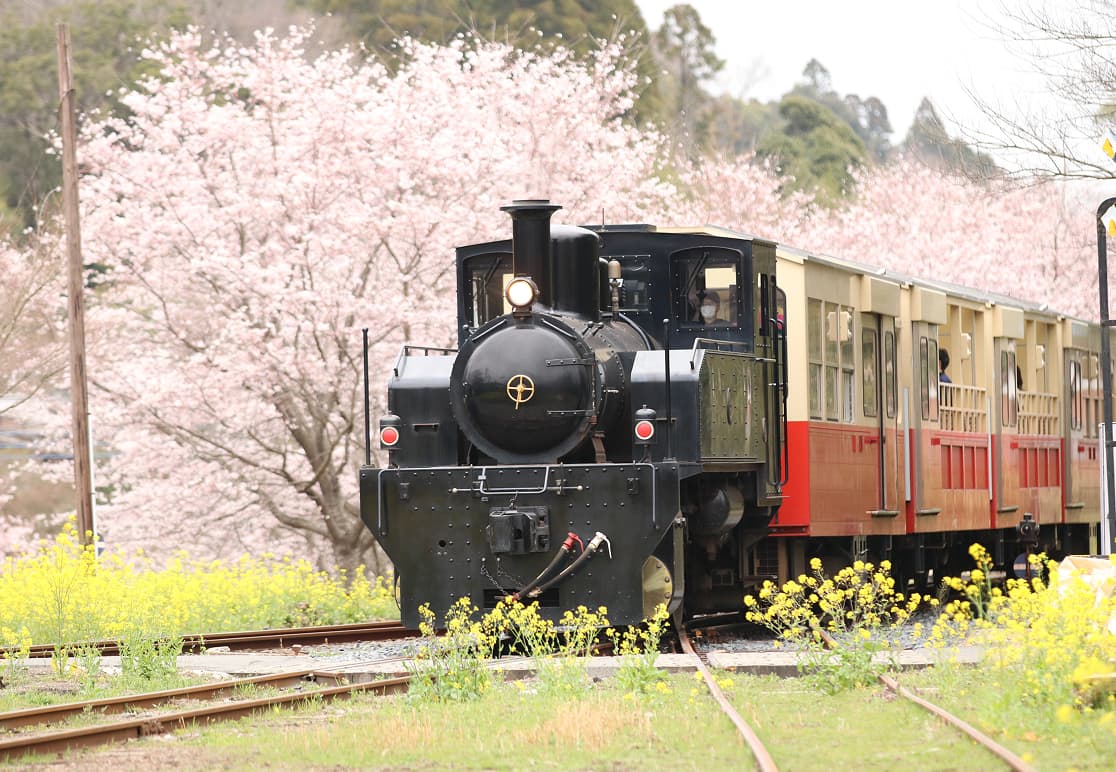
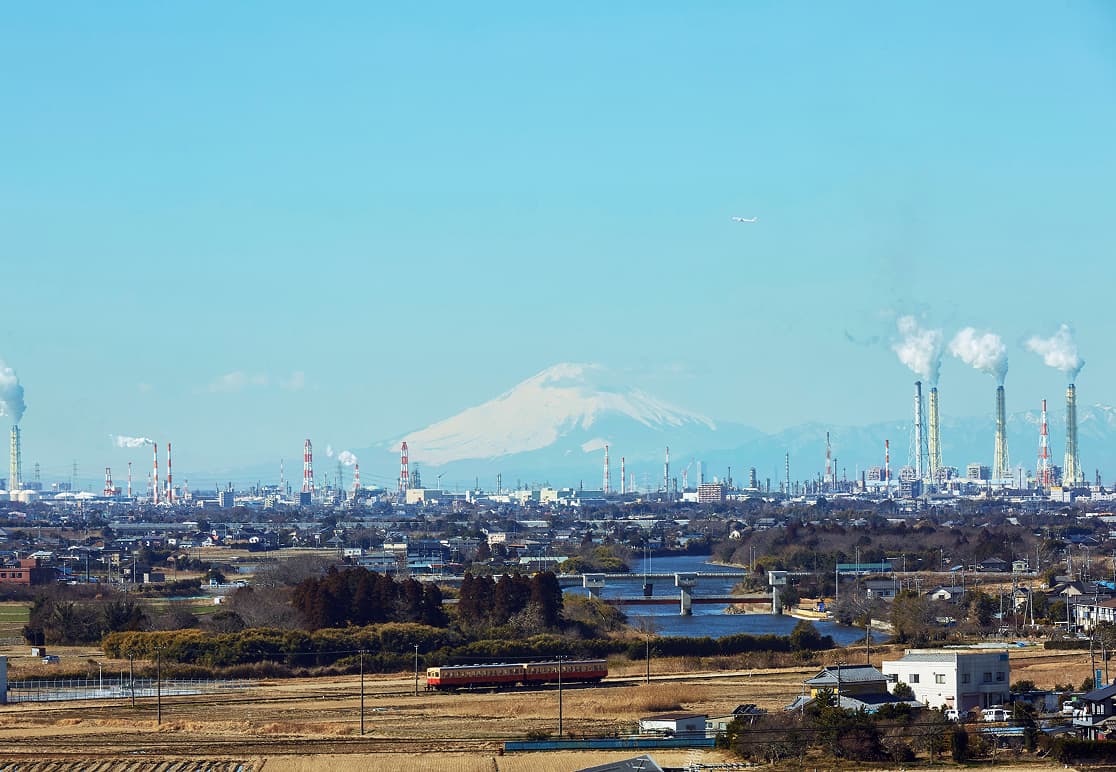
Located in central Chiba Prefecture, Ichihara City has the largest land area in the prefecture. It is a region where a coastal industrial zone facing Tokyo Bay coexists with rich natural landscapes, such as the satoyama woodlands and the Yoro Valley. The city is home to one of the nation’s leading petrochemical complexes and boasts the highest value of manufactured goods shipped in the prefecture. Meanwhile, the inland areas feature tranquil rural scenery where visitors can enjoy the changing landscapes of the four seasons. The Kominato Railway, which runs through the city, serves as a vital means of transportation for residents, and the scenery along its route through the satoyama forests captivates many visitors. The city is also blessed with geological strata in the Yoro River basin that define the “Chibanian” geological epoch, as well as local specialties such as pears and figs. Since 2014, the city has hosted the “Ichihara Art × Mix” festival, promoting community development through art that makes use of local resources.
Yawata Area
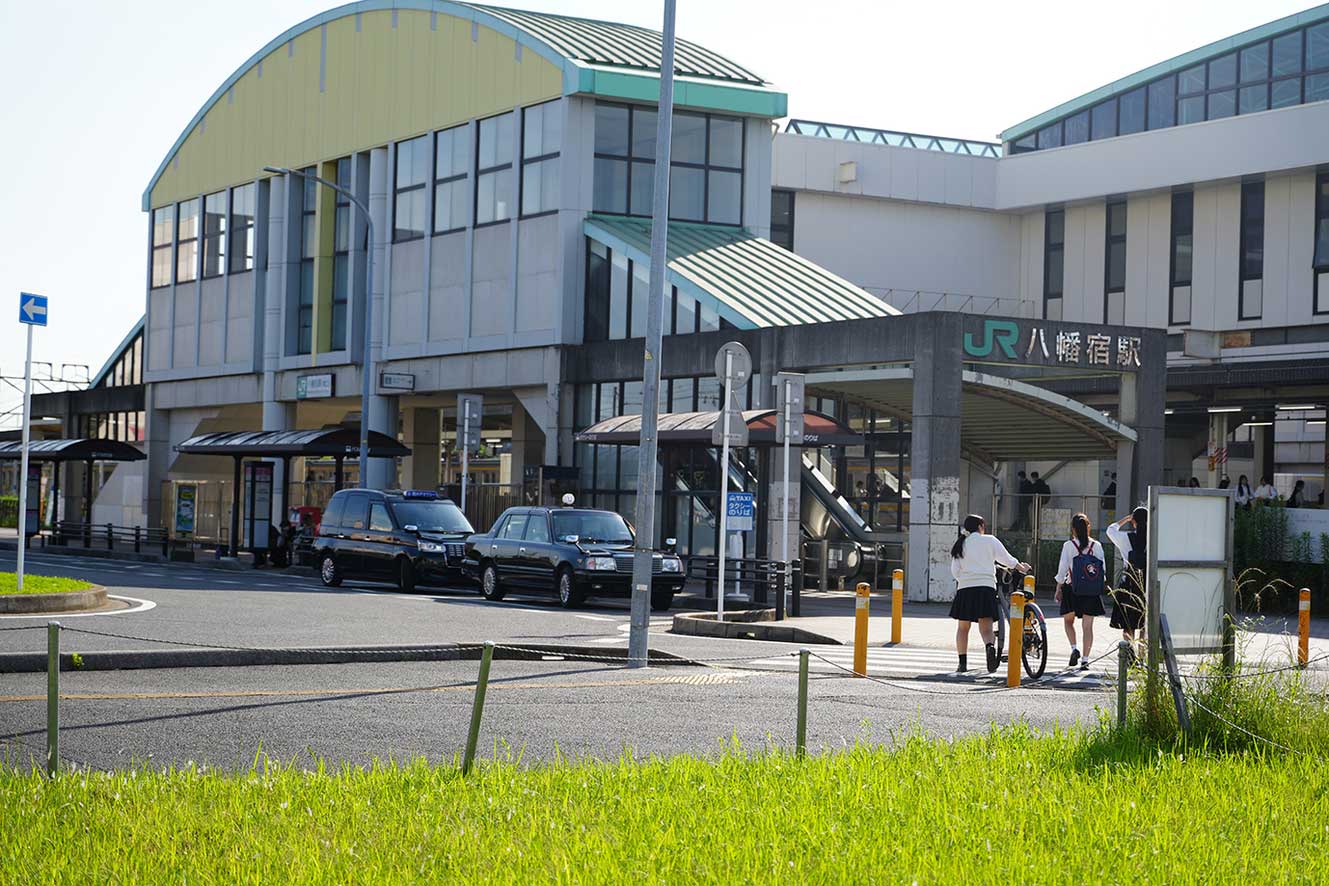
The gateway to Ichihara City, where the industrial zone along Tokyo Bay meets the historic city center. While the area around Yawatajuku Station is bustling daily with commuters and students, buildings and spaces that once supported local life and commerce still dot the landscape.It is a place where the new streetscape created by redevelopment coexists with historic scenery, allowing visitors to sense the region’s evolution. The surrounding area features shrines, shopping districts, and residential neighborhoods, offering a glimpse into a community closely intertwined with the daily lives of its residents.Set against the backdrop of three locations in Hachiman-juku—the former Hachiman Minamimachi Bicycle Parking Lot, the Minamimachi Hozō Storehouse, and Uosō—that reflect these different layers of time, this artwork reexamines the region’s memories, culture, and the daily lives of its people.


Goi Area
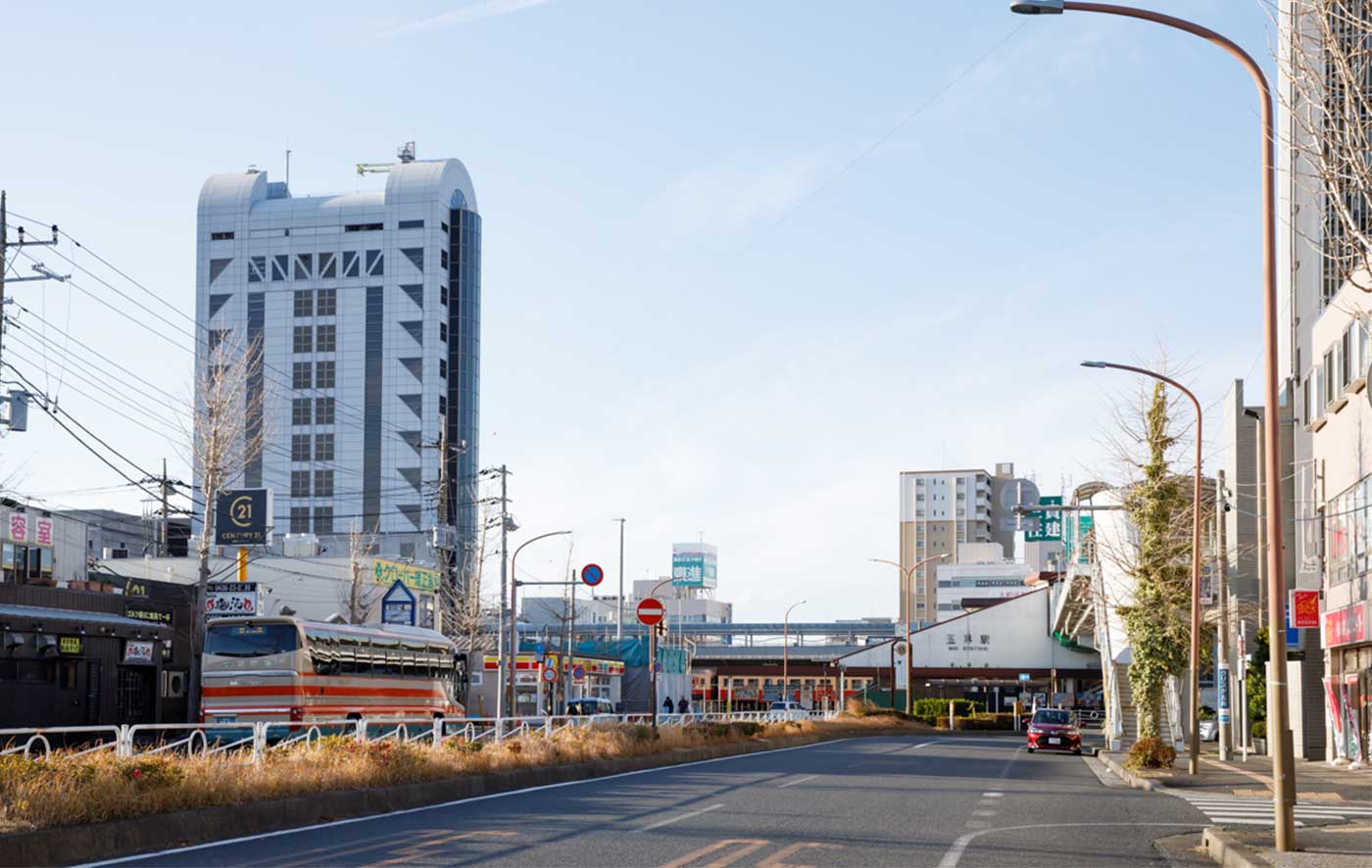
This area consists of Kominato Railway’s Goi Station, the adjacent Goi Locomotive Depo, and surrounding venues. As a transportation hub connected to JR Goi Station, it serves as the gateway to Ichihara City and is used by many commuters, students, and tourists. It is also a place where you can experience the vibrancy of the local community, with markets and events held on weekends.Visitors can see the three steam locomotives owned by the Kominato Railway up close, making it a popular spot among railway enthusiasts. The locomotive depot not only offers insights into railway history and technology but also serves as a hub for sightseeing along the railway line. Against the backdrop of this place where people’s journeys and interactions intersect, we present a diverse array of artworks.

Uchida Mirai Gakko
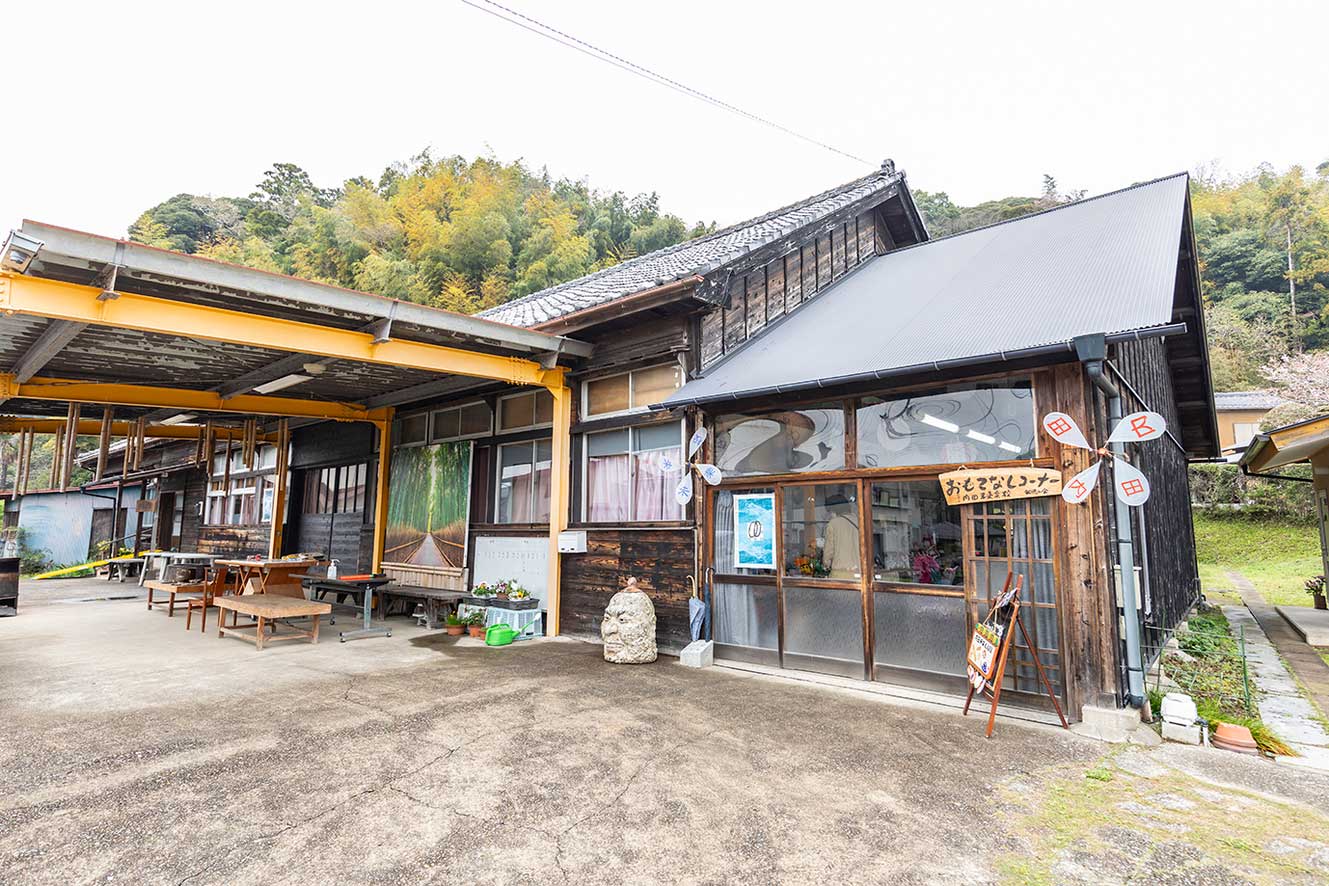
This wooden building, with a history spanning nearly 100 years, is being utilized for projects that highlight the area’s natural environment and history.Built in 1928 as the Uchida Elementary School, the Uchida Mirai Gakko was sold to the private sector and used as a factory and workshop. Although it later faced the threat of demolition, it has been preserved to this day thanks to its purchase by the “Hōtoku no Kai,” an organization established primarily by local residents and supporters.Currently, in addition to serving as a venue for artworks during the art festival, the “NPO Hōtoku-no-Kai · Uchida Mirai Gakko”—which evolved from the Hōtoku-no-Kai—organizes a variety of initiatives, including satoyama hikes, exhibitions, morning markets, the “Kokko Market,” and other local markets.
Ushiku Area
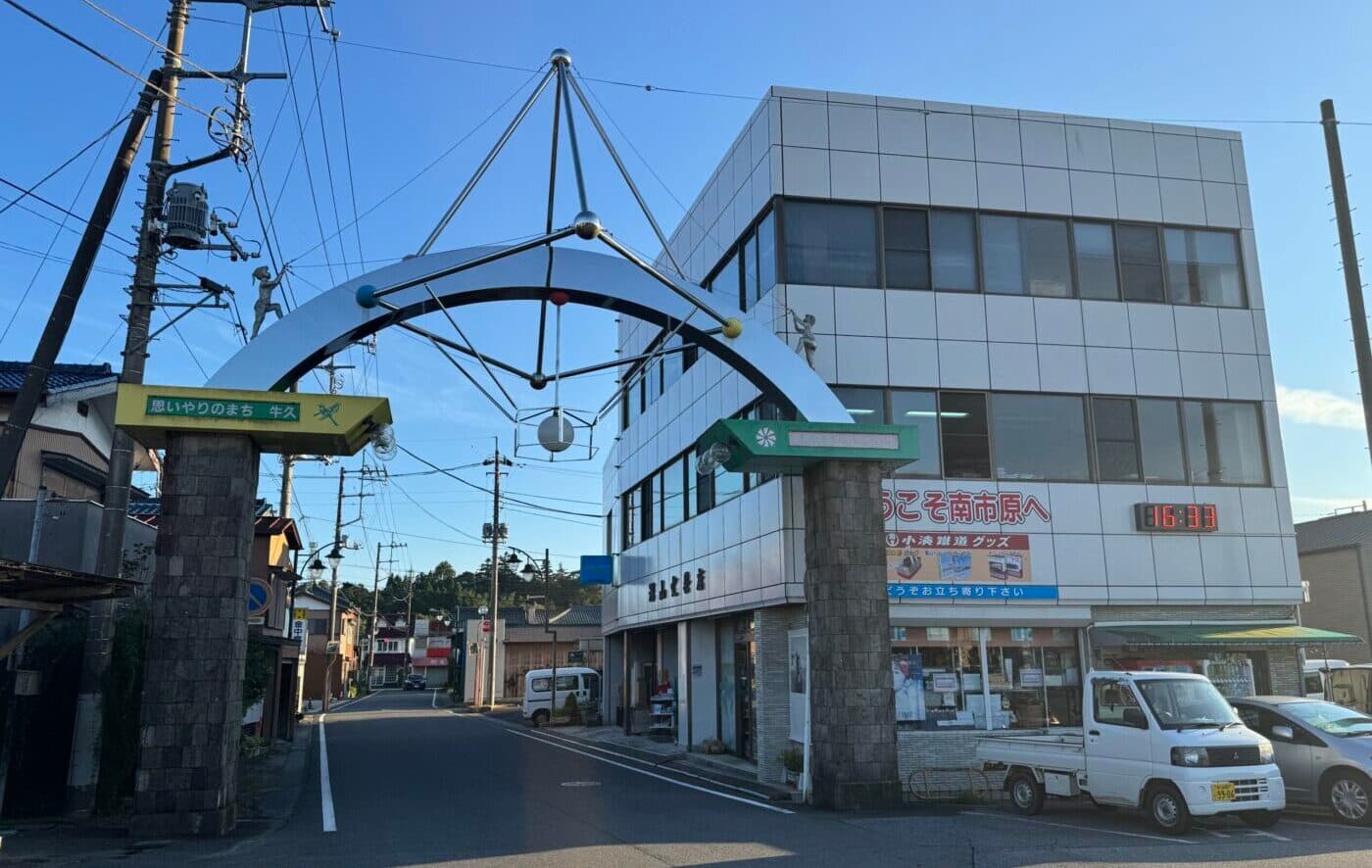
Located nearly at the center of Ichihara City, this former post town emerged at the intersection of the Yoro River’s boat landing and cargo unloading area and the overland route connecting Tokyo Bay to the Pacific Ocean. The town still retains the characteristic post-town streetscape, where roads turn at right angles like the corners of a grid.It has developed as the commercial hub of central to southern Ichihara City, and the shopping district—where stores line both sides of the former main street—stretches for approximately 1 km. Kominato Railway’s Kazusa-Ushiku Station is the busiest station on the line, and its wooden station building is designated as a National Registered Tangible Cultural Property.In recent years, the “Ushiku Re-Design Project” has been implemented in the Ushiku Shopping District, advancing initiatives that foster collaboration between artists and the local community, such as artist-in-residence programs. In 2027, the former Ushiku Kindergarten will serve as a new venue for displays of artwork.
Ichihara Lakeside Museum
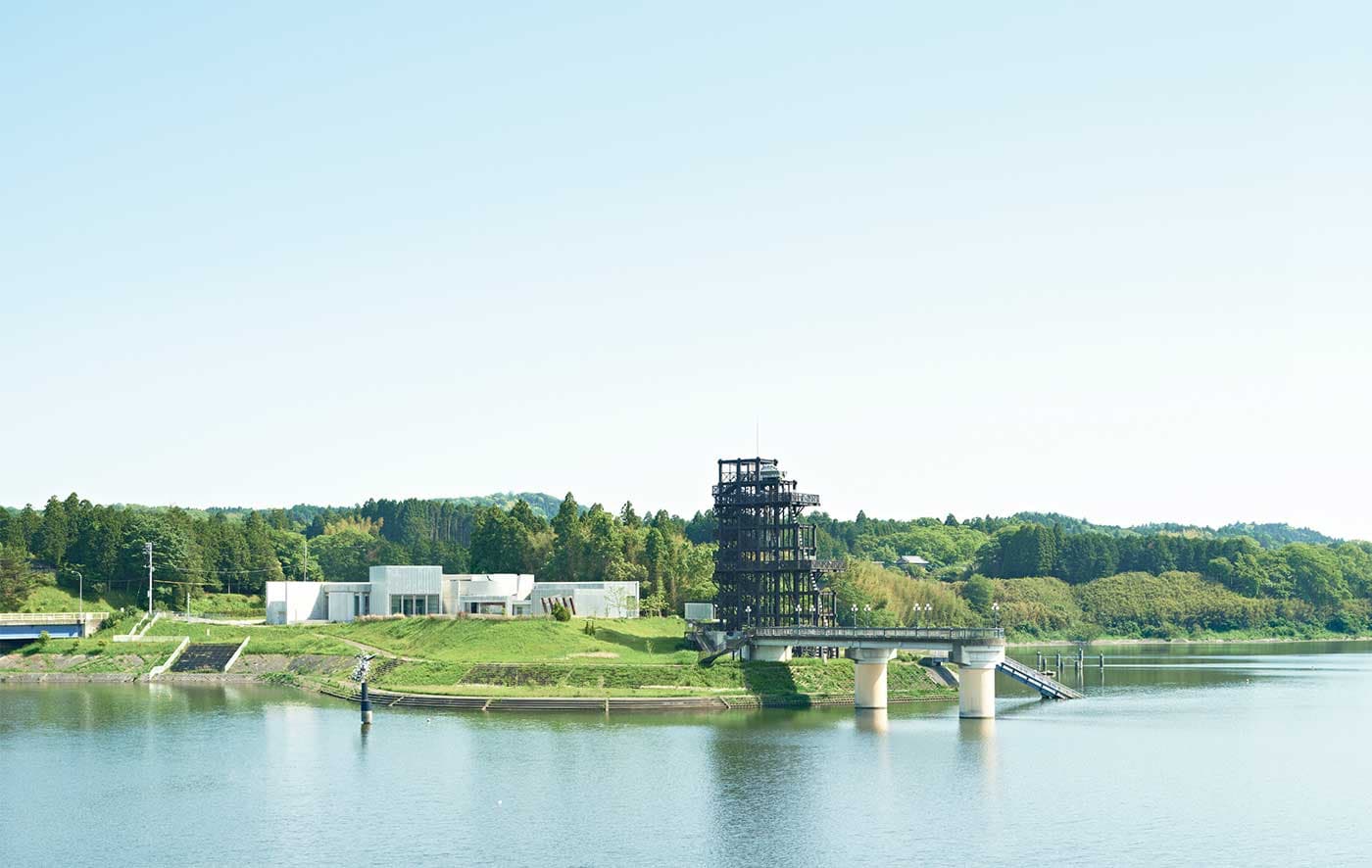
This art museum overlooks Lake Takataki, which boasts the largest reservoir area in Chiba Prefecture. It was established in 2013 to commemorate the 50th anniversary of Ichihara City’s incorporation, following the renovation of the “Ichihara City Hill of Water and Sculpture,” a tourism and cultural facility that opened in 1995.Guided by the philosophy of “standing firmly rooted in the satoyama landscape while casting a broad gaze upon the world,” the museum offers a diverse range of programs. In addition to exhibiting nine permanent artworks, it hosts Special Exhibitions focused on contemporary art, workshops open to the local community and children, as well as markets and picnics held in the plaza.During the art festival, the center is hosting the Special Exhibition “From Boso to Terra: Reading the Earth’s Memories.”

Former Satomi Elementary School
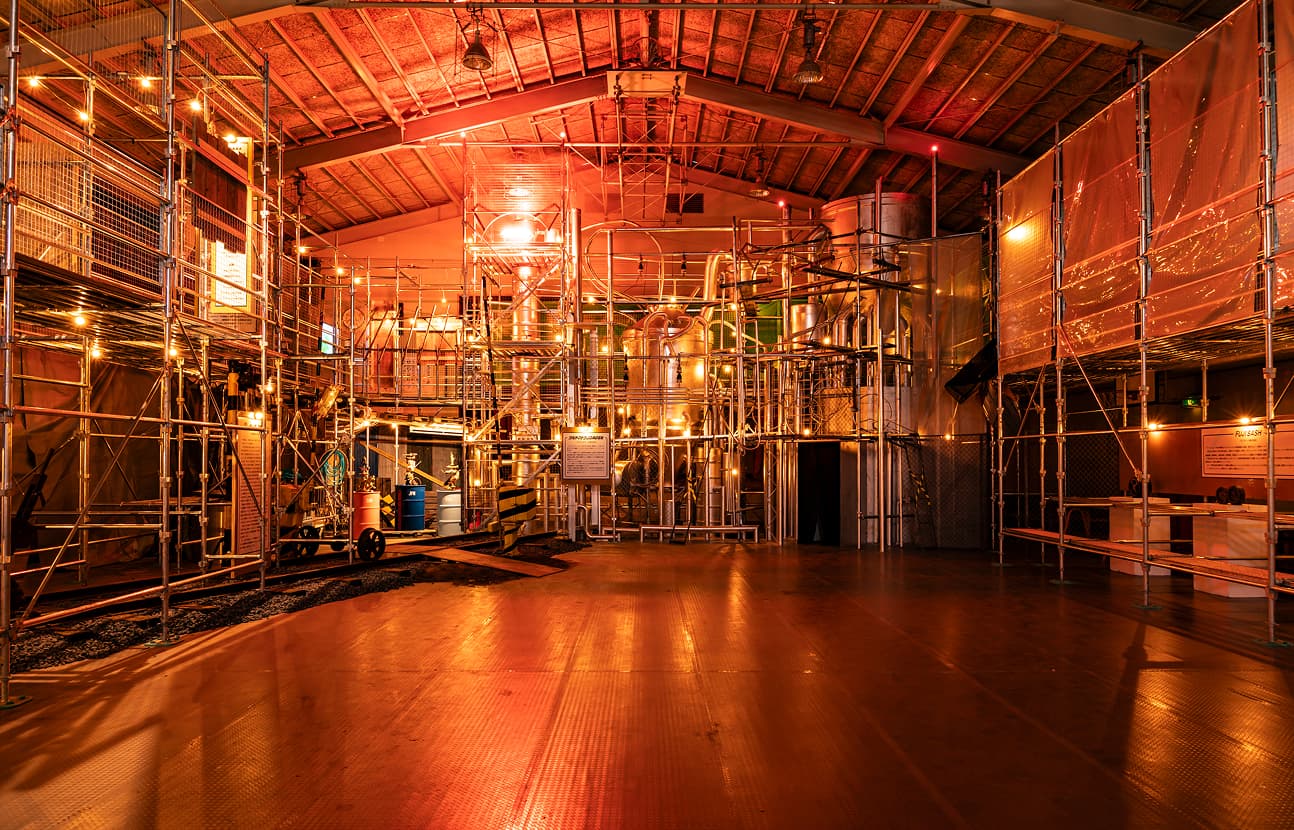
An elementary school that opened in 1913 during the Taisho era and closed in 2013. The name “Satomi”—which is also the name of the locality—derives from the Satomi clan of the Sengoku period, which was based in the Uchiboso region and elsewhere.While it has served as a venue for artwork exhibitions at every past “Ichihara Art × Mix” event, the school building, gymnasium, and school grounds underwent a major renovation in time for the 2024 Uchiboso Hyakunengo Art Festival.The gymnasium was transformed into a museum featuring the night views of Ichihara’s factories as its motif. An information center was also established, making it a major hub for the art festival and a popular destination for many visitors.In 2027, the school will further emphasize its role as an “art studio”—a key concept of the art festival—with Artists conducting public demonstrations and workshops in each classroom, as well as producing and selling sweets. The shop, which features official products and souvenirs from various regions, and the café-restaurant “SATOMI HIROBA” are also popular attractions.
Former Heisan Elementary School
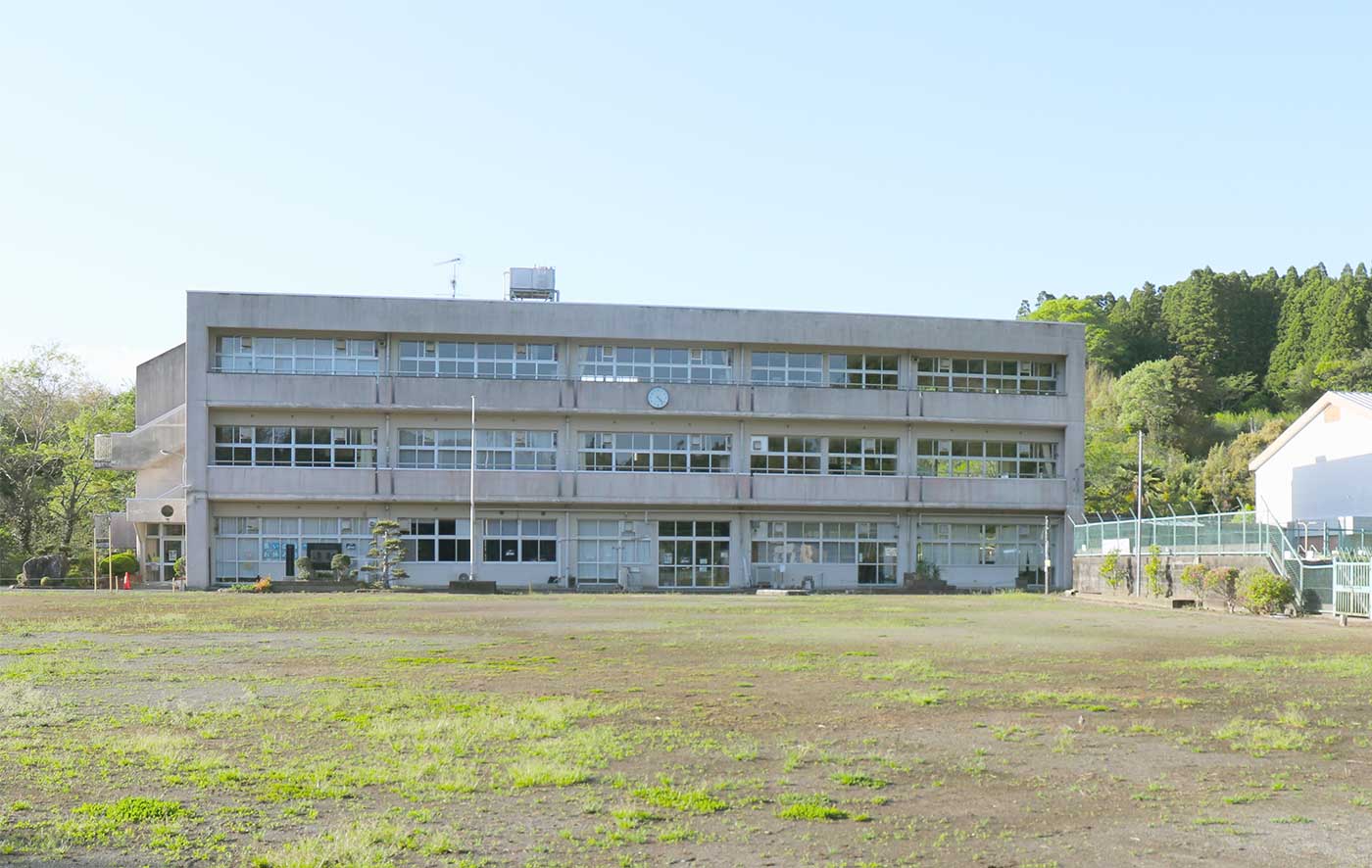
This elementary school opened in 1876 during the Meiji era and closed in 2016. Even after its closure, it remains a gathering place for the local community—led by members of “Heisan Gathering Plaza,” a group composed of local residents—who organize “Satoyama Day” on the first Saturday of every month.The Heizo River, a tributary of the Yoro River, once flowed around the school, but its course was diverted beneath the school grounds using a technique known as “river diversion,” allowing people to come and go from the school without having to cross a bridge. The tunnel created by this “Heizo River diversion” has become a symbol of the community.

Ichihara Quard’s Forest
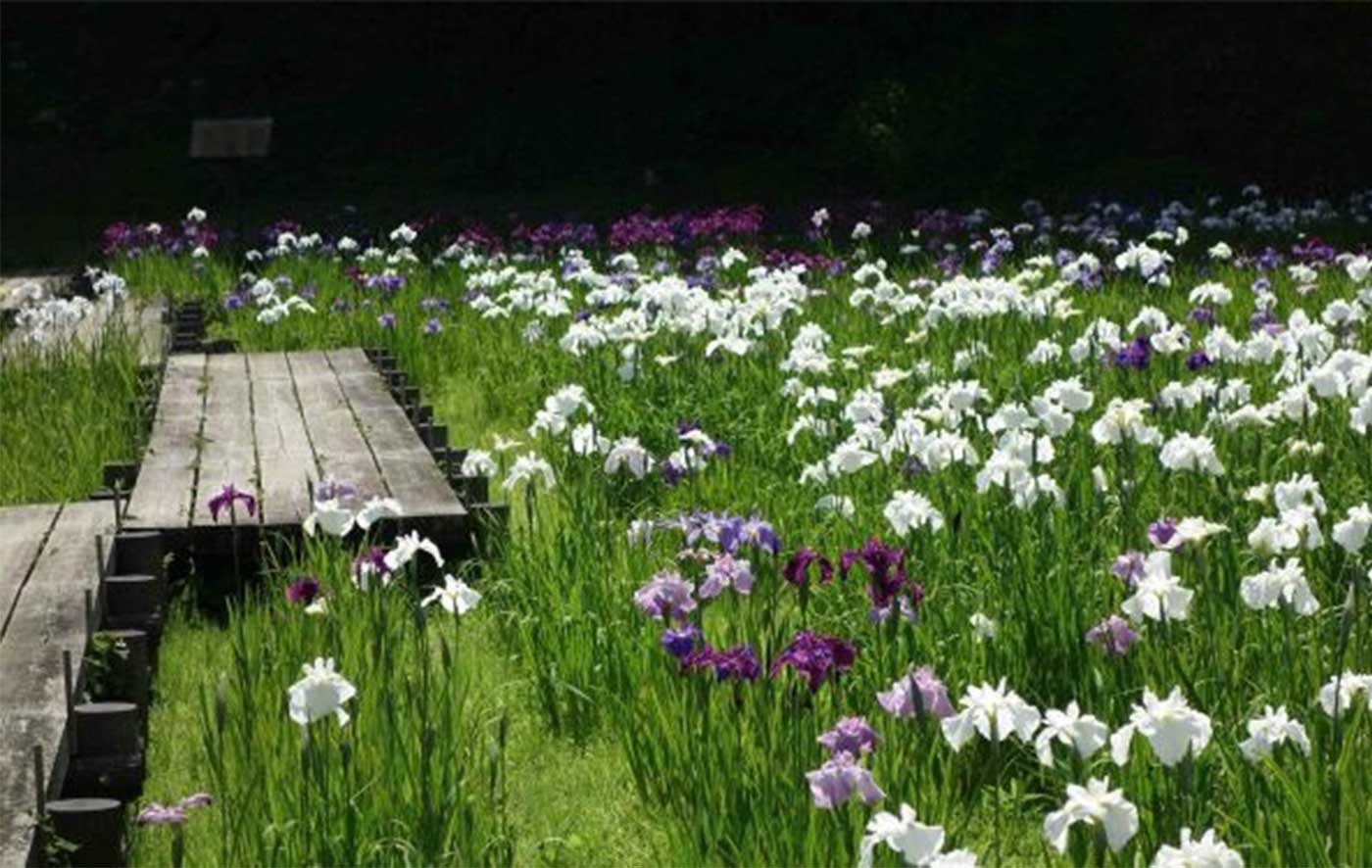
This park, set on a vast site roughly equivalent to 25 Tokyo Domes, makes the most of its rich natural environment. It preserves a diverse “satoyama” landscape—including undulating terrain, forests, and ponds—and serves as a place of relaxation for residents where they can experience the changing seasons up close. The park features walking trails, a botanical garden, and a campground, allowing visitors to leisurely enjoy time in the woods.In this area, two outside artworks are on display. While resonating with the forest scenery and environment, the artworks each bring out the charm and memories of the land from distinct perspectives.
ARS TSUKIDE
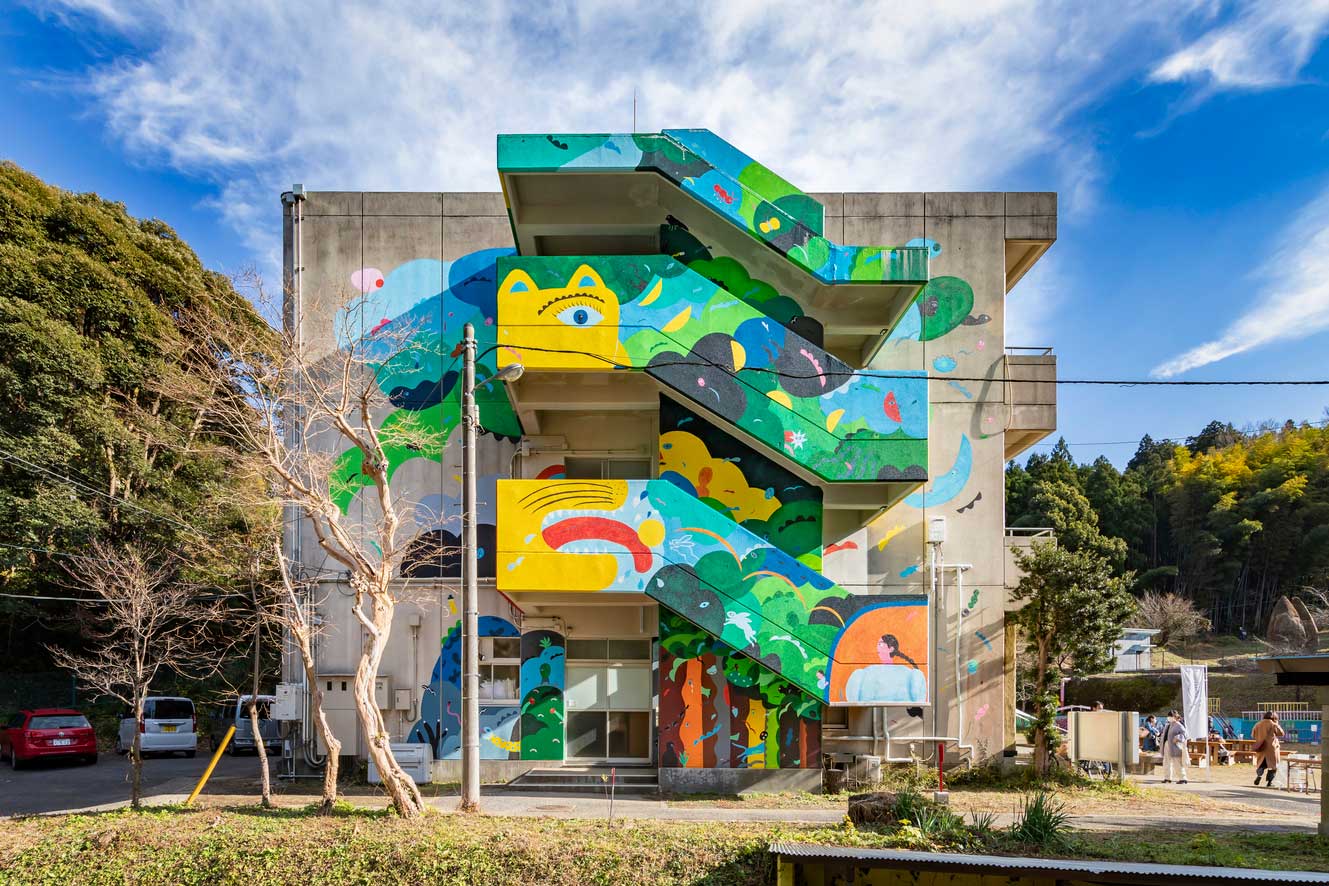
“ARS TSUKIDE: A School Made by Everyone” was established at the former Tsukide Elementary School in 2014. Since then, local residents and artists have gathered here for creative activities centered on “Play, Learning, Craft, and Food,” including art-making, forest maintenance, and activities related to food, nature, and agriculture. The school also preserves local traditions and knowledge while fostering creative expression connected to the wider world and supporting community disaster preparedness.
During the art festival, visitors can explore outdoor artworks and renovated vacant houses along mountain paths. During Golden Week, outdoor performances are held, while “TSUKIDE TABLE” in the renovated gymnasium serves special parfaits and other treats made with local fruits, vegetables, and traditional fermentation techniques. Enjoy locally rooted food and coffee from YAMADORI COFFEE alongside contemporary art and the memories of Tsukide.
