


広域
Wide Area
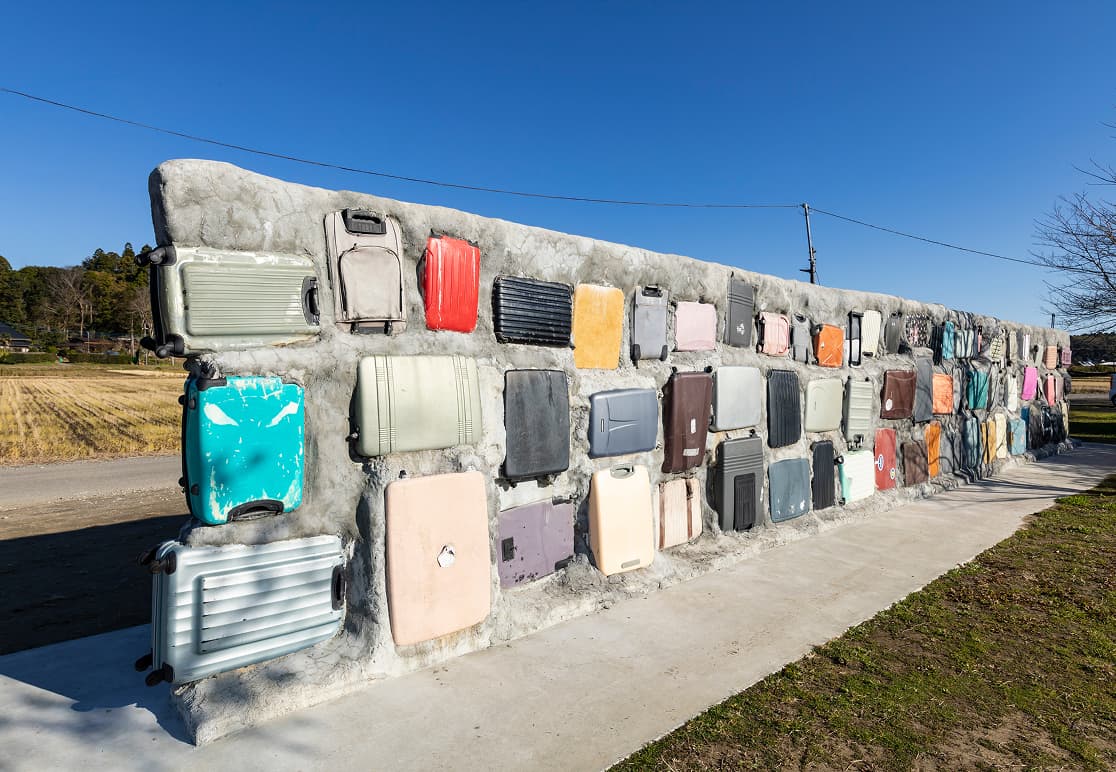
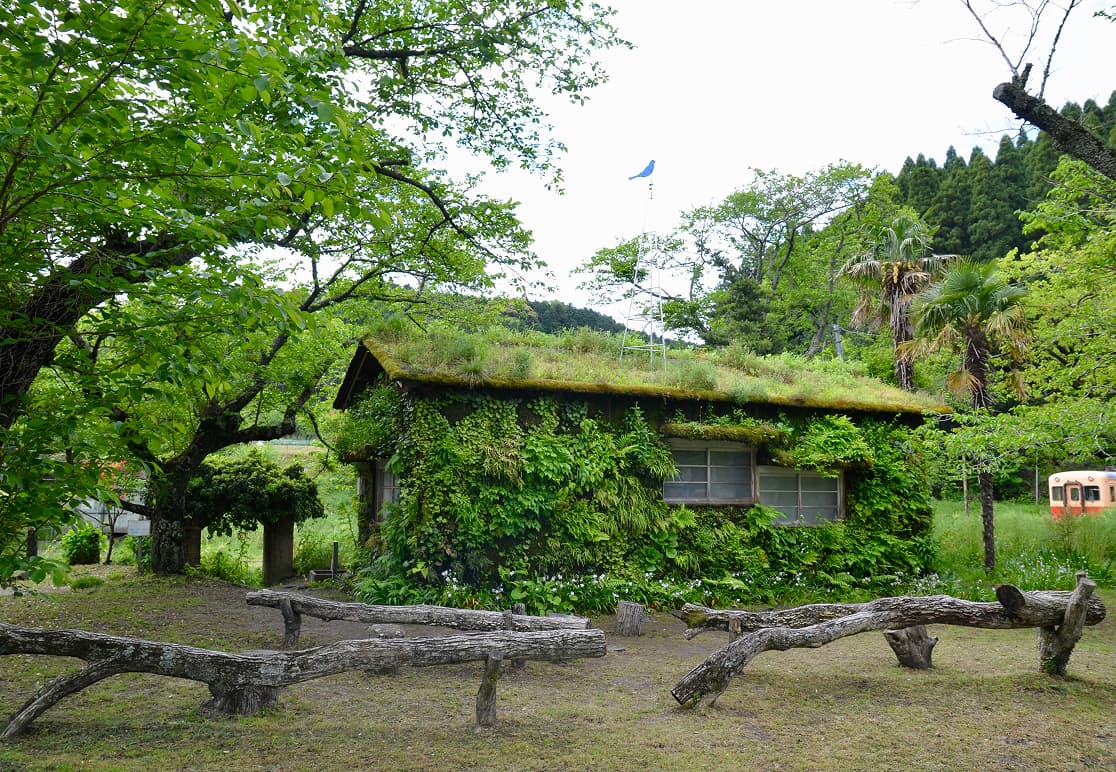
The Kominato Railway, which connects Goi Station in Ichihara City to Kazusa-Nakano Station through the central part of the Boso Peninsula, serves as a vital means of transportation for residents while also captivating many visitors with its nostalgic scenery as it winds through the satoyama countryside. It is also known for its retro station buildings, some of which are designated as National Registered Tangible Cultural Properties, and the areas along the line retain a strong sense of traditional landscapes and local life. Artworks inspired by these elements are displayed at and in front of each station. Visitors can enjoy the unique charm of each station, ranging from participatory installations to distinctive restroom designs created by architects. Additionally, by exploring the wide-ranging collection of works—including signage and outdoor installations scattered throughout Ichihara City, Kisarazu City, and Otaki Town—visitors can experience the nature, culture, and daily lives of the people of Boso.
Kominato Railway Station Project
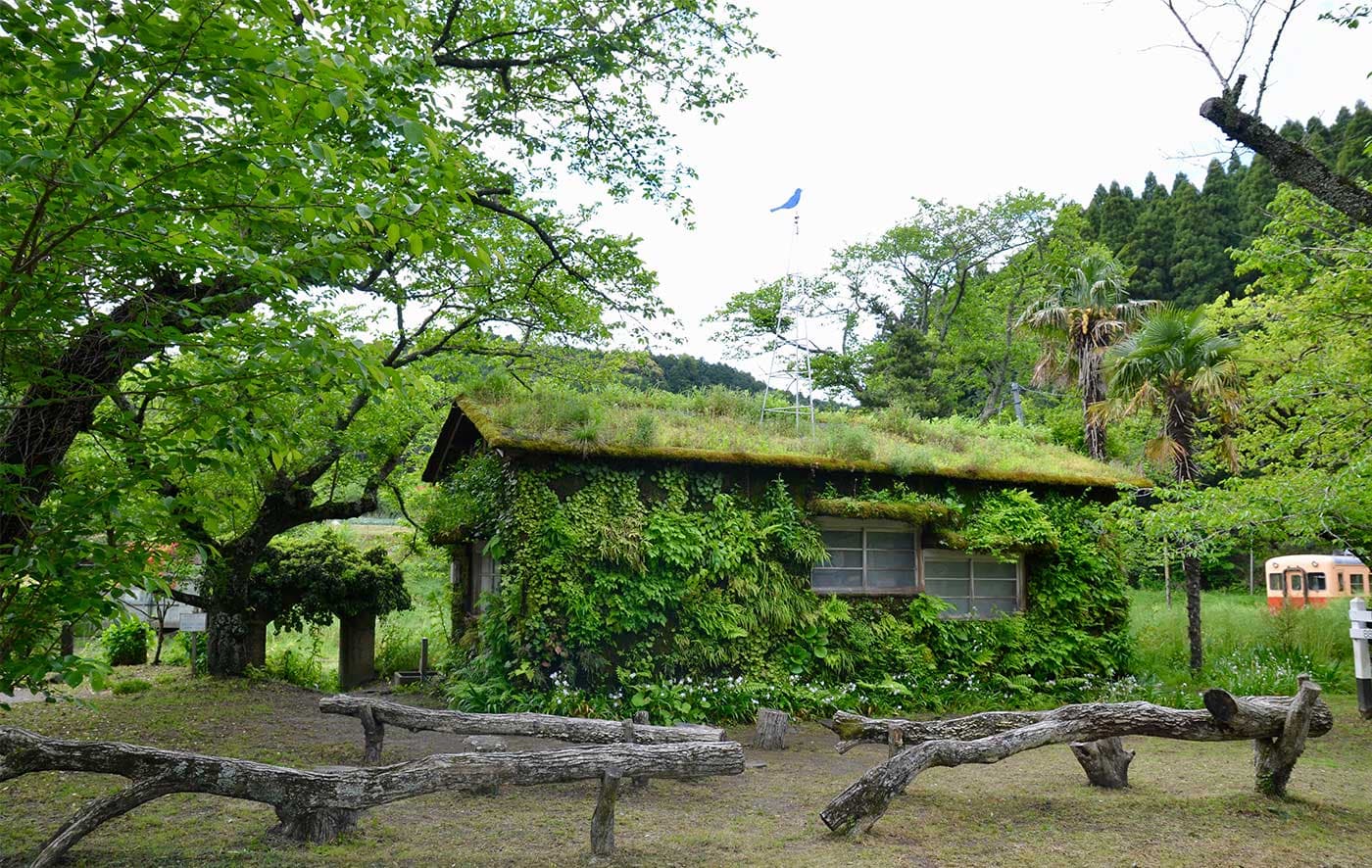
The Kominato Railway’s station buildings and other structures are registered as National Tangible Cultural Properties, and the scenery along the line—including traditional satoyama landscapes—still vividly reflects the local way of life. This project features artworks at each station inspired by these station buildings, the railway’s history, and its connection to the local community.Numerous artworks have been created to date that make the most of the unique characteristics of each station, including participatory installations that use the trains themselves as stages and practical yet unique artworks that have transformed station restrooms. This project reimagines the railroad not merely as a means of transportation but as a cultural resource that connects people and communities, allowing visitors to enjoy both art and the surrounding scenery as they travel along the line.


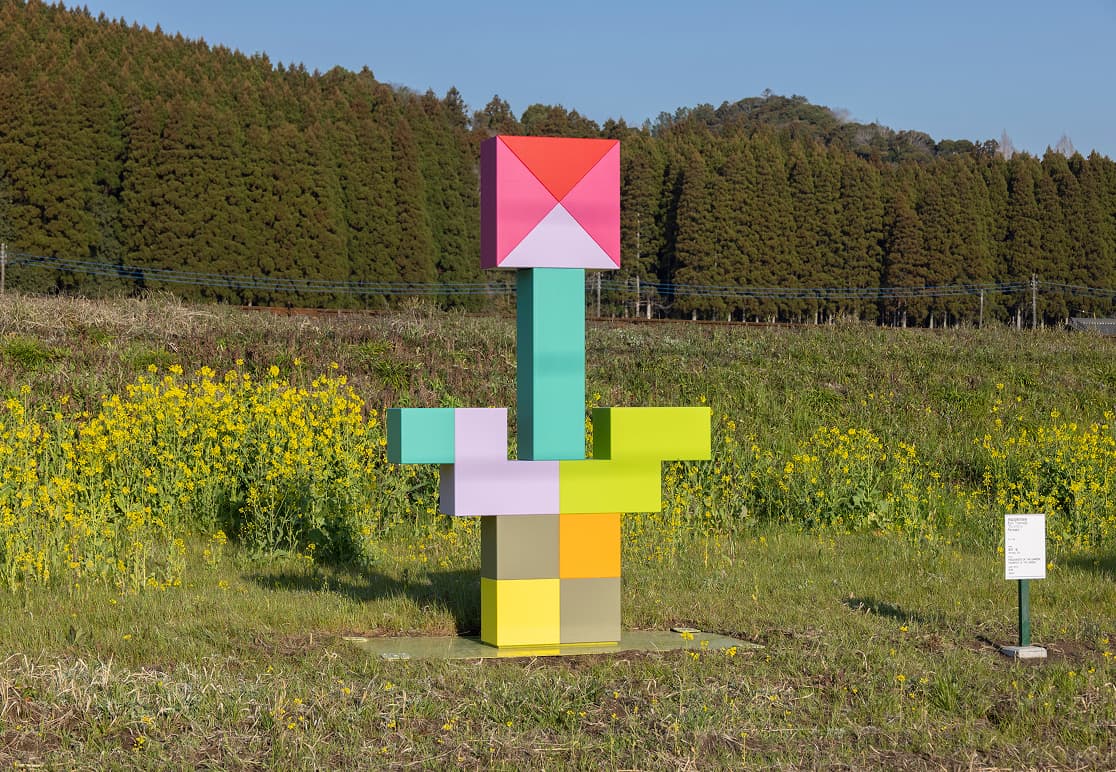
Large-Scale Signage
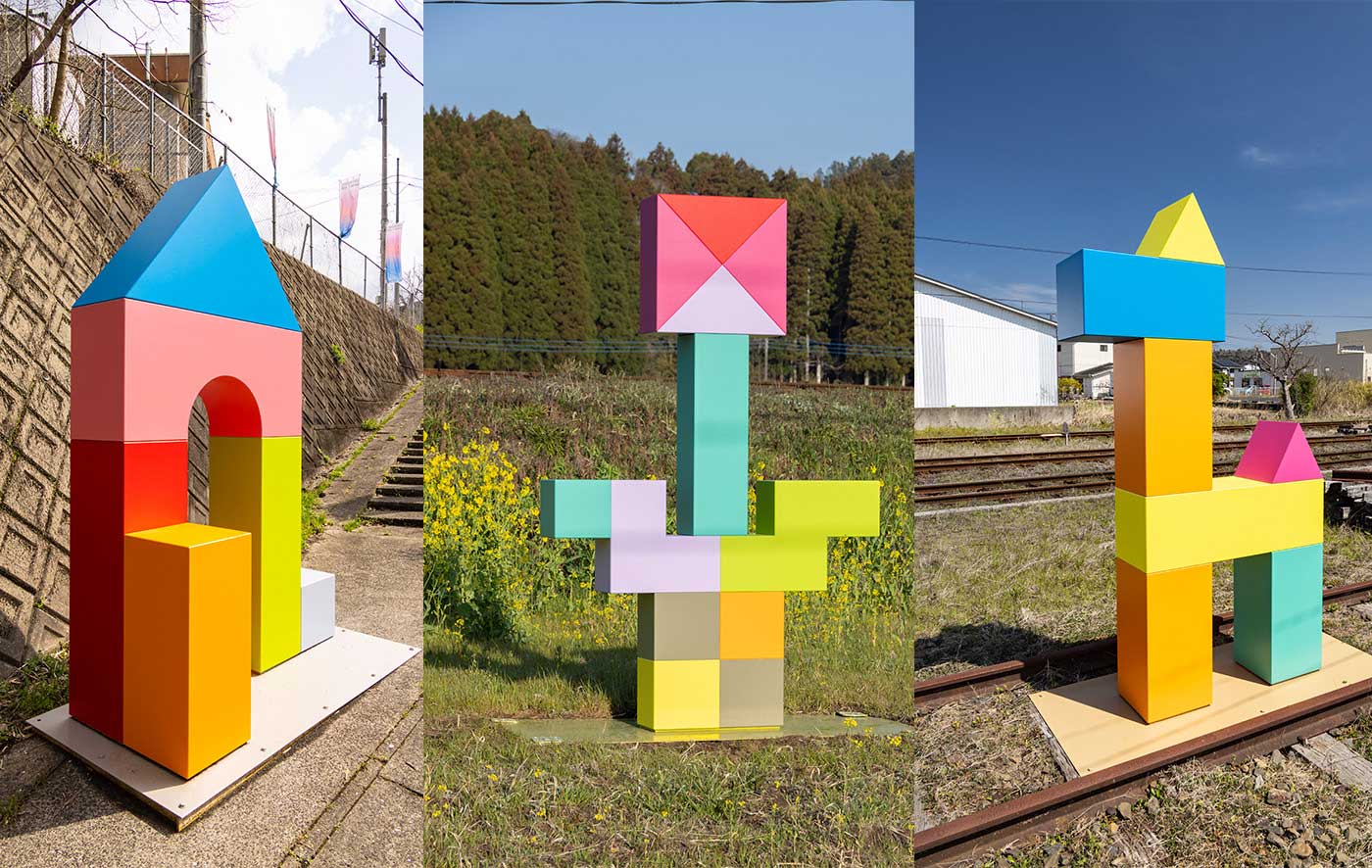
Signage created by Harada Iku is dotted throughout the art festival venues. These vibrant artworks, shaped like animals, flowers, and houses, serve as icons to guide visitors while adding a touch of color to the satoyama landscape.Harada Iku has created numerous artworks featuring approachable motifs and vivid colors. These artworks go beyond serving as mere directional signs; they are cherished as integral elements that shape the festival’s atmosphere. The experience of exploring the festival grounds while discovering these artworks is a unique pleasure offered by the event.
